How Professional Gamers Train for Major Tournaments
Learn how pro gamers train for tournaments with structured practice, team scrims, VOD review, and mental performance techniques.
Anúncios
Professional gaming at the tournament level demands structured preparation that rivals traditional athletics. Training regimens combine individual skill development, team coordination, strategic analysis, and physical wellness into comprehensive programs designed to peak at competition time.
What Does a Typical Pro Gamer Training Day Look Like?
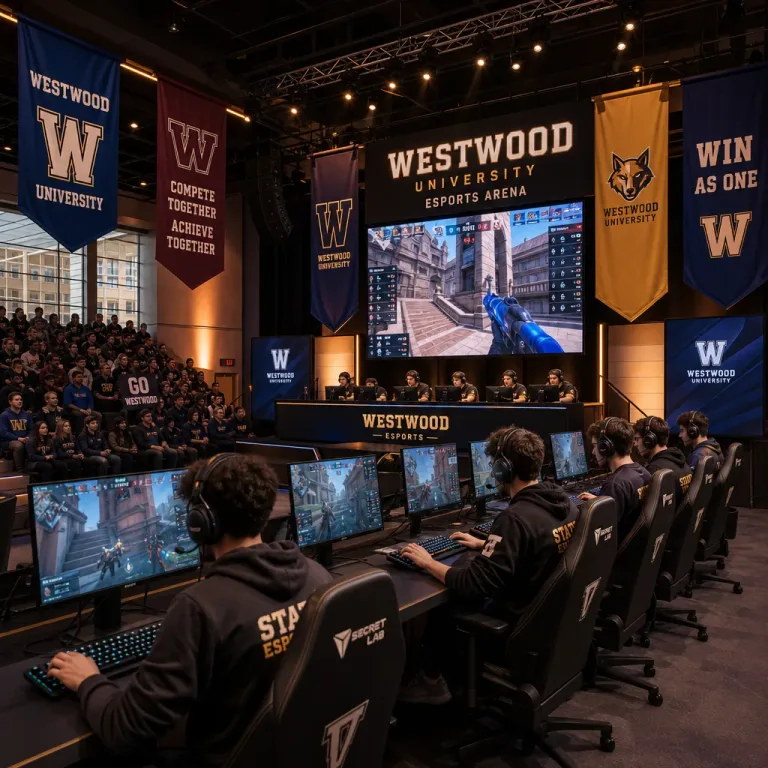
Most professional players train eight to twelve hours daily during active competitive seasons. Mornings typically begin with individual practice including aim training, mechanical drills, and ranked ladder games. Afternoons shift to team scrimmages against other professional squads.
Anúncios
Evening sessions often focus on VOD review, where players and coaches analyze recordings of recent matches. Identifying mistakes, refining strategies, and preparing for specific opponents occupies several hours before the day concludes with optional personal practice time.
How Do Teams Structure Scrimmage Sessions?
Scrimmages against other professional teams form the backbone of competitive preparation. These practice matches simulate tournament conditions with dedicated strategies, communication protocols, and post-game analysis that cannot be replicated in public matchmaking.
Anúncios
Teams typically schedule two to four scrim blocks per day, each lasting several hours. Scrim partners rotate regularly to expose the team to different play styles, preventing the development of habits that only counter specific opponents rather than adapting to diverse approaches.
What Role Does VOD Review Play in Improvement?
Video review reveals patterns invisible during live gameplay. Coaches identify recurring positioning errors, missed rotations, and communication breakdowns that players cannot recognize in the heat of competition. This feedback loop accelerates improvement beyond what practice alone achieves.
- Individual POV reviews highlight personal mechanical and decision-making errors
- Team-wide reviews focus on coordination timing and strategic execution
- Opponent analysis reveals exploitable tendencies and habitual patterns
- Map-specific reviews optimize positioning and utility usage for each venue
- Tournament meta analysis tracks evolving strategies across the competitive field
How Important Is Physical Fitness for Esports?
Physical exercise has become standard in professional esports training. Cardiovascular fitness improves concentration duration, strength training prevents repetitive strain injuries, and proper nutrition fuels cognitive performance during long match days.
Many team facilities include gyms and employ personal trainers who design exercise programs for sedentary athletes. Short workout sessions between practice blocks break up extended sitting periods and refresh mental focus for subsequent training segments.
What Mental Preparation Techniques Do Pros Use?
Sports psychologists work with esports teams on visualization, anxiety management, and performance under pressure. Players learn to control tournament nerves through breathing techniques, positive self-talk, and pre-match routines that create consistent mental states.
Mindfulness meditation has gained traction among professional gamers for its ability to improve focus and reduce tilt during losing streaks. Regular practice helps players maintain emotional equilibrium when momentum shifts against them in critical tournament moments.
How Do Teams Prepare for Specific Opponents?
Analyst teams compile detailed reports on upcoming opponents covering their preferred strategies, statistical tendencies, and individual player habits. These scouting reports inform practice priorities and strategic adjustments tailored to each matchup.
Counter-strategy development involves creating specific game plans that exploit identified weaknesses. Teams practice these targeted approaches during scrimmages, refining execution until the strategy feels natural rather than forced during actual tournament play.
What Equipment Do Professional Players Use for Training?
Professional training facilities feature identical hardware setups to tournament environments. This consistency ensures that muscle memory developed during practice transfers perfectly to competition without adjustment to different monitors, peripherals, or desk configurations.
High-refresh monitors, low-latency peripherals, and powerful PCs constitute the minimum requirements. Sound isolation through noise-canceling headsets or soundproof booths replicate tournament conditions where crowd noise and stage production create challenging audio environments.
How Do Players Manage Travel and Jet Lag?
International tournaments require teams to travel frequently across time zones. Organizations plan arrivals several days before competition to allow jet lag adjustment, with structured sleep schedules and light exposure timing that align circadian rhythms to local time.
Travel fatigue affects performance measurably, particularly in games requiring fast reaction times. Teams that invest in comfortable travel arrangements and adequate adjustment periods perform more consistently at international events compared to those arriving shortly before matches begin.
What Is the Role of Team Chemistry in Success?
Communication quality often determines match outcomes more than individual skill. Teams that develop trust and clear communication patterns under pressure outperform collections of individually talented players who lack coordinated decision-making frameworks.
Team-building activities outside of gaming strengthen interpersonal bonds that translate to better in-game synergy. Shared meals, recreational activities, and open communication about concerns create environments where players feel comfortable making calls and accepting feedback.
How Do Players Peak for Important Events?
- Increase practice intensity three to four weeks before the tournament
- Focus scrimmages on specific map pools and expected meta strategies
- Taper practice volume in the final week to prevent burnout and fatigue
- Maintain consistent sleep schedules aligned with tournament match times
- Review and finalize strategic preparations two days before competition begins
- Use the final day for light practice and mental preparation only
What Happens Between Tournament Seasons?
Off-seasons provide recovery time for players dealing with physical strain and mental fatigue. Many organizations mandate vacation periods where competitive play is discouraged, allowing players to return refreshed for the next season of preparation.
Roster changes and strategic overhauls typically happen during off-seasons. New players integrate through introductory bootcamps, existing rosters experiment with fresh strategies, and teams establish foundations for the competitive approach they will refine throughout the upcoming season.