How to Start a Career in Professional Esports
Complete guide to starting an esports career covering skill development, team tryouts, networking, and career paths in competitive gaming.
Anúncios
Professional esports offers legitimate career opportunities for talented and dedicated players. Beyond playing competitively, the industry supports careers in coaching, content creation, event management, broadcasting, and team operations that extend well beyond controller or keyboard skills.
What Skills Do You Need to Go Professional?
Raw mechanical skill forms the foundation, but professional play demands much more. Game knowledge, communication ability, adaptability to meta changes, and mental resilience under pressure separate professional players from talented amateurs who plateau at high ranks.
Anúncios
Consistency matters more than peak performance. Teams value players who deliver reliable results match after match over those who occasionally perform brilliantly but fluctuate dramatically. Building consistency requires structured practice and honest self-assessment.
How Do You Get Noticed by Professional Teams?
Reaching the top ranks in competitive ladders is the primary visibility pathway. Professional scouts actively monitor Radiant, Global Elite, and Challenger tier players for potential recruitment. Maintaining a high rank over extended periods demonstrates consistency that single impressive performances cannot.
Anúncios
Open qualifiers and amateur tournaments provide direct competitive exposure. Performing well against known players and established teams catches organizational attention faster than ladder ranking alone, especially if your performance demonstrates teamwork and leadership qualities.
Should You Join an Amateur Team First?
Amateur team experience is nearly essential for professional development. Solo queue ranked play develops individual mechanics but does not teach coordinated strategy, communication protocols, or the interpersonal dynamics that define professional team environments.
- Amateur teams teach structured communication and callout systems
- Team practice develops strategic understanding beyond individual play
- Tournament experience builds pressure management under competitive conditions
- Networking within amateur circuits connects you with coaches and scouts
- Losing and recovering as a team builds resilience for professional careers
What Age Should You Start Pursuing Esports?
Most professional players begin serious competitive play between ages 14 and 18. Reaction time advantages peak in the late teens to early twenties, though game knowledge and decision-making continue improving with experience throughout a player's career.
Starting earlier allows more time to develop mechanical skills before the competitive window narrows. However, balancing education with esports aspirations is crucial since the majority of aspiring professionals do not achieve sustainable competitive careers.
How Important Is Content Creation for Aspiring Pros?
Building a personal brand through streaming or video content creates visibility that pure competitive results cannot match. Organizations increasingly value players who bring existing audiences because this fan base contributes to sponsorship value and merchandise revenue.
Content creation also provides income during the development period before signing a professional contract. Streaming revenue supports dedicated practice time without relying entirely on tournament winnings, which are inconsistent for developing players.
What Career Paths Exist Beyond Playing?
Coaching positions offer career longevity beyond competitive playing years. Former players bring invaluable firsthand competitive experience to coaching roles, understanding the pressures and decisions that current players face from personal experience.
Esports broadcasting, event production, team management, and marketing positions support the competitive ecosystem. These roles require gaming knowledge combined with traditional professional skills, creating opportunities for enthusiasts who understand the industry intimately.
- Coaching and analysis — translate game knowledge into team improvement strategies
- Broadcasting and commentary — communicate competitive action to audiences
- Event management — organize and produce tournaments and league events
- Content creation — build audiences through streaming and video production
- Team operations — manage logistics, contracts, and organizational administration
- Marketing and sponsorships — connect brands with esports audiences
How Do Esports Contracts and Salaries Work?
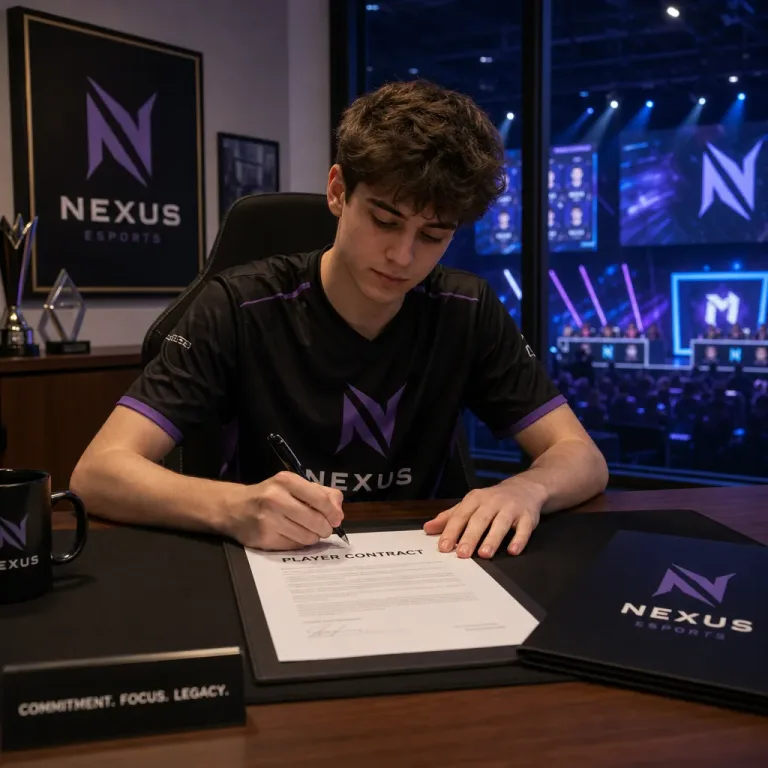
Entry-level professional contracts in smaller organizations may offer modest salaries supplemented by prize pool shares. Established league positions in major titles provide more substantial guaranteed income, with top-tier players in premier leagues earning six-figure annual salaries.
Contract negotiation skills become important as your career progresses. Understanding buyout clauses, streaming rights, sponsorship revenue splits, and performance bonus structures ensures fair compensation. Some players hire agents or lawyers specializing in esports contract law.
What Role Do Esports Academies Play?
Major organizations operate academy teams that develop young talent within structured environments. These programs provide coaching, equipment, housing stipends, and competitive opportunities while evaluating players for promotion to the main roster.
Third-party esports academies offer training programs for aspiring players without organizational affiliation. These programs vary in quality and reputation, so researching their graduate placement rates and coaching credentials helps identify worthwhile investments.
How Should You Handle Education Alongside Esports?
Completing education provides essential career backup given the uncertainty and short duration of most competitive gaming careers. Many successful professionals balanced school or university with competitive play before committing to full-time esports.
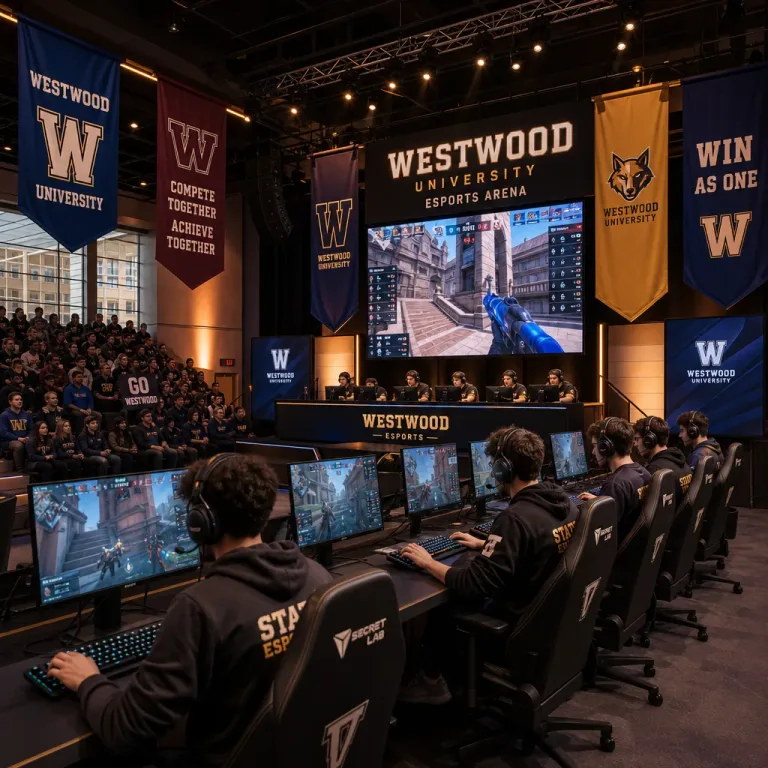
University esports programs offer scholarships that combine competitive gaming with academic education. These programs provide competitive experience, coaching, and a degree, creating a safety net while pursuing professional aspirations within a structured academic environment.
What Networking Strategies Work in Esports?
Building genuine relationships within the competitive community opens doors that talent alone cannot. Attending events, participating in community Discord servers, and engaging respectfully with established figures creates connections that lead to tryout opportunities and team recommendations.
Professional behavior consistently matters more than momentary performance. Teams avoid recruiting toxic players regardless of skill level because team chemistry directly impacts competitive results. Maintaining a positive reputation across the community protects long-term career prospects.